
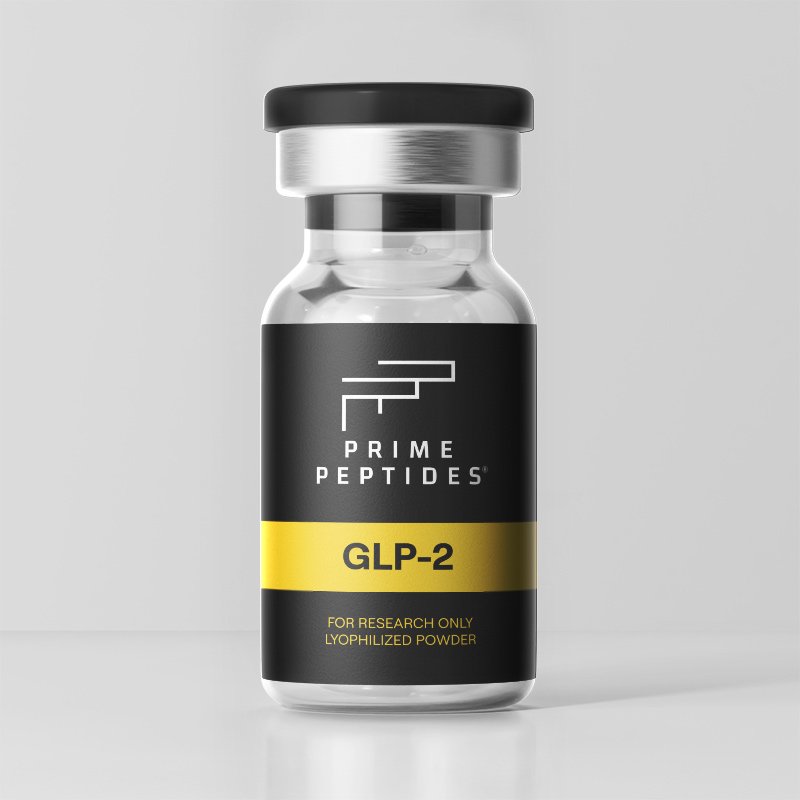


GLP-2: What Is It and How Does It Work?
GLP-2, or glucagon-like peptide-2, is a naturally occurring peptide hormone produced in the body. It plays an important role in the gastrointestinal system and is involved in processes related to intestinal growth, nutrient absorption, and digestive function.
GLP-2 has attracted interest in medical research because of its effects on the intestinal tract and its potential therapeutic applications.
What Is GLP-2?
GLP-2 is a peptide hormone derived from the proglucagon molecule. It is primarily produced by specialized cells in the gastrointestinal tract after food intake.
Unlike GLP-1, which is widely associated with blood-glucose regulation and appetite, GLP-2 is primarily associated with the intestinal tract.
How Does GLP-2 Work?
GLP-2 interacts with GLP-2 receptors found in various tissues, including the gastrointestinal system. Its biological activity is associated with several intestinal processes, including:
- Supporting intestinal mucosal growth
- Influencing nutrient absorption
- Supporting intestinal barrier function
- Modulating gastrointestinal activity
- Influencing intestinal blood flow
The effects of GLP-2 are an area of ongoing scientific and medical research.
GLP-2 and Intestinal Health
Research into GLP-2 has focused heavily on the relationship between the peptide and the gastrointestinal tract. GLP-2 signaling may influence the structure and function of intestinal tissue and has been investigated in conditions involving intestinal insufficiency.
A clinically established GLP-2 analog is teduglutide, which is used for specific patients with short bowel syndrome who require specialized medical management.
GLP-2 vs. GLP-1
Although their names are similar, GLP-1 and GLP-2 have different physiological roles.
GLP-1 is primarily associated with glucose regulation, insulin secretion, appetite, and gastrointestinal motility.
GLP-2 is more closely associated with intestinal growth, nutrient absorption, and gastrointestinal function.
Understanding this distinction is important when evaluating information about GLP-based therapies.
GLP-2 Benefits and Potential Applications
Scientific research has investigated GLP-2 for its potential effects on intestinal structure and function. Its most established therapeutic relevance involves certain patients with short bowel syndrome.
| Size | 10mg, 30mg, 60mg |
|---|
Be the first to review “GLP-2”
Related products

Uncategorized

Uncategorized

Uncategorized

Uncategorized

Uncategorized
Uncategorized
Reviews
There are no reviews yet.